The Nubian Village in Aswan: Where Culture, Colors, and Heritage Embrace the Nile
Set along the west bank of the Nile near Aswan, the Nubian Village radiates charm through its colorful houses, warm-hearted locals, and deeply rooted traditions that date back thousands of years. This enchanting settlement, known for preserving Nubian culture and language, captivates visitors seeking authenticity in Egypt. The Nubian Village isn’t just a place; it’s a living museum of African heritage and Egyptian hospitality that gracefully merges ancient roots with modern life. Visitors find themselves immersed in a world where every color tells a story and every smile echoes centuries of warmth. The tranquil rhythm of the Nile complements the melodic beats of Nubian drums, offering a sensory feast that resonates with every traveler.
Nubian villages such as Gharb Soheil, located a short boat ride from Aswan, are among the most visited, welcoming travelers on picturesque trips to the Nubian Villages by boat. The moment one steps ashore, vibrant murals, handmade crafts, and the scent of freshly brewed hibiscus tea envelop the senses. Unlike bustling Egyptian cities, these villages exude serenity, providing a glimpse into Nubians’ close-knit community and respect for nature. Visiting the Nubian Village is not merely sightseeing; it’s a heartfelt connection to one of Egypt’s oldest, most resilient cultures. With a legacy intertwined with the Nile and tales of pharaohs and gods, the Nubian Village offers a soul-stirring encounter for those yearning for real Egypt beyond the monuments. It’s no wonder travelers combine a village visit with idyllic Aswan Day Tours or a serene Nile cruise experience.
The Geography and Heritage of the Nubian Village
The Nubian Village rests serenely on the banks of the Nile southwest of Aswan City, basking in golden sunlight reflected from the river’s surface. The Nubians, native to this region stretching from southern Egypt to northern Sudan, possess one of Africa’s oldest civilizations. Once the center of powerful kingdoms such as Kush and Ta-Seti, Nubia was renowned for its trade, craftsmanship, and cultural sophistication. Despite numerous relocations due to the creation of the Aswan High Dam and the formation of Lake Nasser, Nubians preserved their identity through oral history, language, and art.
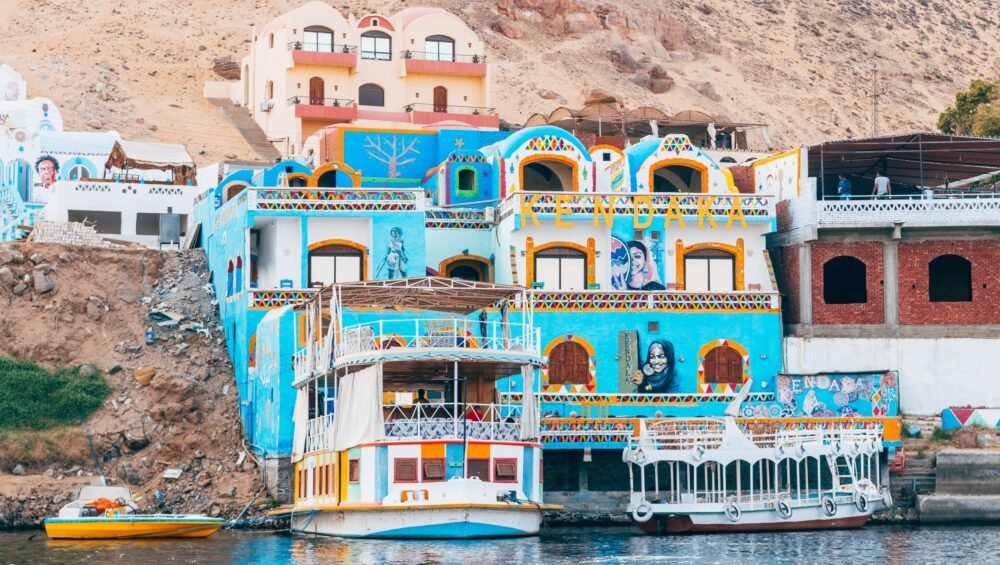
The architecture of the Nubian Village reflects this perseverance. Houses built with sun-dried mud bricks maintain cool interiors amidst the desert heat. Arched doorways, intricate geometric patterns, and vibrant facades express joy, faith, and pride in heritage. This artistry has turned Nubian homes into visual icons representing Egypt’s living traditions. Exploring these narrow alleys, one encounters women crafting colorful bead jewelry, children playing by the Nile, and elders narrating ancient tales about crocodiles and gods. Cultural immersion here transcends time, offering visitors the thrill of discovery within simplicity.
Experiencing Authentic Nubian Hospitality
Nubian hospitality is legendary. The moment guests enter the village, they’re greeted with warmth unmatched elsewhere in Egypt. Villagers invite travelers to sit, drink karkadeh (hibiscus tea), taste traditional dishes, and admire handcrafted items. This generosity isn’t a performance; it’s a cultural code embedded in Nubian life. Every gesture, from sharing a smile to painting tourist hands with henna, reinforces that sense of belonging. The Nubian language, distinct yet melodious, still thrives despite external influences. Travelers often feel they’ve been transported to a different world where community reigns supreme and joy comes naturally.
Many tourists enhance their cultural understanding by pairing the visit with insights from the Nubian Museum in Aswan, which houses relics, sculptures, and exhibits detailing centuries of Nubian civilization. For those fascinated by Egypt’s layered cultures, a day combining the museum and village provides a holistic perspective. This local connection also harmonizes beautifully with excursions to nearby landmarks like Philae Temple and the Unfinished Obelisk, weaving Nubian stories into the broader Egyptian tapestry.
Cultural Immersion: Music, Art, and Everyday Life
Music flows through the Nubian Village like the Nile itself. Traditional songs accompanied by drums, tambourines, and handclaps echo ancient rhythms that once celebrated harvests and weddings. Dancers dressed in bright robes move joyfully to these beats, inviting visitors to join in. Art equally plays a vital role. Hand-painted murals depict crocodiles (symbols of protection), palm trees, and the Nile’s life-giving force. These motifs carry deep symbolism, fusing spirituality with daily life. Artists express gratitude through color, believing that beauty wards off misfortune.
Visitors strolling across the village may find small shops overflowing with kaleidoscopic souvenirs—leather goods, woven baskets, painted pottery, and natural spices. Supporting these local artisans sustains Nubian livelihoods and ensures these traditional crafts remain vital. After all, Nubians have mastered the art of turning everyday life into an artistic masterpiece, transforming simplicity into cultural opulence. Travelers capturing these magical scenes understand why a Nile River journey feels incomplete without experiencing Nubian warmth firsthand.
Traditional Nubian Cuisine and Daily Flavors
The Nubian Village delights food lovers with recipes passed down through generations. Their meals fuse simple ingredients with bold flavors, highlighting local produce and the bounty of the Nile. Grilled fish, lentil soups, and freshly baked bread served with spiced dips form the foundation of Nubian gastronomy. Nubians prefer natural, organic foods grown in small home gardens. One mustn’t miss tasting ‘Fatta,’ a festive dish prepared during celebrations, or sipping hibiscus juice while watching the sun dip below the horizon. Here, dining transcends nourishment—it’s a communal celebration of life.
Pairing Nubian meals with other Egyptian culinary experiences, like those explored in resources about traditional dishes in Egypt, broadens culinary horizons. Each region interprets hospitality through flavor, and Nubians proudly stand as Egypt’s ambassadors of kindness through cuisine. Visitors constantly remark how every bite seems seasoned with generosity and memory, not just spice.
Architectural Beauty and Symbolism in the Nubian Village
Each Nubian home is an architectural poem brimming with life and meaning. Painted in bright hues—turquoise, orange, pink, and blue—these houses convey well-being and energy. Doors often bear inscriptions and symbolic motifs that invite blessings. Mudbrick domes crown roofs, ensuring insulation and ventilation in one elegant design. The concept of beauty in Nubian architecture stems from harmony: harmony with nature, with each other, and with the river. Unlike Western luxury, Nubian aesthetics prize authenticity over opulence.
Walking through Gharb Soheil, tourists feel as though they’ve entered an open-air art gallery. Every corner tempts a photograph, every wall tells a different version of the same story—humans living gracefully beside the Nile. Adventurers on felucca rides on the Nile often glimpse this stunning panorama, colorful houses mirroring in the calm waters while children wave cheerfully. It’s no surprise that many Egypt itineraries, such as the 9 Days Egypt and Nubia Tour, include stops here to engrave the Nubian charm in travelers’ hearts.
The Spiritual Connection Between Nubians and the Nile
For Nubians, the Nile isn’t merely a river—it’s the lifeblood of existence. Their ancestors revered it as a divine gift, a sustainer of life and a source of identity. Fishing, ferrying, and farming along its banks form the essence of daily routines. Even Nubian myths revolve around the Nile’s magic, where crocodiles and spirits guard its flow. This spiritual reverence translates into respect for nature; every villager instinctively lives in balance with the environment.
Their sustainable lifestyle offers valuable lessons for modern eco-conscious travelers. Minimal waste, handmade crafts, and reliance on renewable materials make the Nubian Village a model of green living. It exemplifies how heritage and sustainability intertwine, shaping a peaceful coexistence between humans and their surroundings. Visitors drawn to ethical adventures often expand their journey through eco tours in Egypt to embrace experiences emphasizing preservation and authenticity.
Best Time to Visit the Nubian Village
Although Aswan enjoys year-round sunshine, the most comfortable months to explore the Nubian Village are from October to April, when temperatures are milder. During this period, daylight wraps the landscape in golden tones perfect for photography and river trips. Early mornings and sunsets are particularly magical, with golden rays reflecting off painted walls, creating postcard-worthy moments. Visitors who plan ahead often combine village sightseeing with cultural experiences such as the Sound and Light Show at Philae Temple to enrich their evenings after a day on the Nile.
Visiting Tips for Travelers
To enjoy a seamless visit, bring sunscreen, comfortable walking shoes, and small cash for local purchases. Respecting Nubian customs—such as asking permission before photographing people—is essential. Hiring local guides enhances the experience, as they interpret traditions visitors might otherwise miss. Many Nile cruise packages, including the 4 Day 3 Night Nile Cruise from Aswan to Luxor, arrange authentic village tours led by Nubians themselves. Engaging directly with residents fosters genuine connections, transforming a simple excursion into an unforgettable cultural dialogue.
Why the Nubian Village Is an Unmissable Egyptian Experience
Among Egypt’s countless wonders, the Nubian Village shines for offering something intangible yet profound—emotion. In an era obsessed with digital experiences, standing amid the laughter of children and the hum of the Nile reconnects travelers to simplicity. The Nubians teach harmony, patience, and gratitude through their way of life. Every moment spent here feels personal, bridging ancient and modern human stories.
Whether it’s through luxury Nile cruises, scenic felucca rides, or day excursions, witnessing Nubian culture complements Egypt’s monumental legacy. Together, they complete the tapestry—pharaohs carved history in temples, while Nubians preserved the soul of the Nile in their songs and smiles. The Nubian Village, with its radiant colors and rich heart, remains an oasis of joy where culture whispers gently yet powerfully to anyone willing to listen.
Frequently Asked Questions About the Nubian Village
1. Where is the Nubian Village located?
The Nubian Village is situated on the west bank of the Nile, near Aswan in southern Egypt. It’s usually accessed by boat rides across the river, often included in guided Aswan Day Tours. The most popular among these settlements is Gharb Soheil, renowned for its colorful architecture and welcoming community.
2. What makes the Nubian Village unique?
Its uniqueness rests in its vibrant aesthetic, preserved Nubian language, eco-friendly lifestyle, and unmatched hospitality. Unlike tourist-driven attractions, the Nubian Village offers an authentic experience of cultural continuity—merging African heritage with Egyptian spirit.
3. How can visitors reach the Nubian Village?
The easiest way to reach the Nubian Village is by taking a traditional felucca or motorboat from Aswan. Many tourists include it as part of multi-day itineraries like the 7 Days Cairo and Nile Cruise Package, which arranges local boat transfers and guided interactions with Nubian families.
4. Are there accommodations near the Nubian Village?
Yes, Aswan hosts an array of charming guesthouses and resorts along the Nile, some run by Nubian families themselves. Staying overnight lets travelers experience the serenity of Nile sunsets and morning chants echoing across palm groves.