
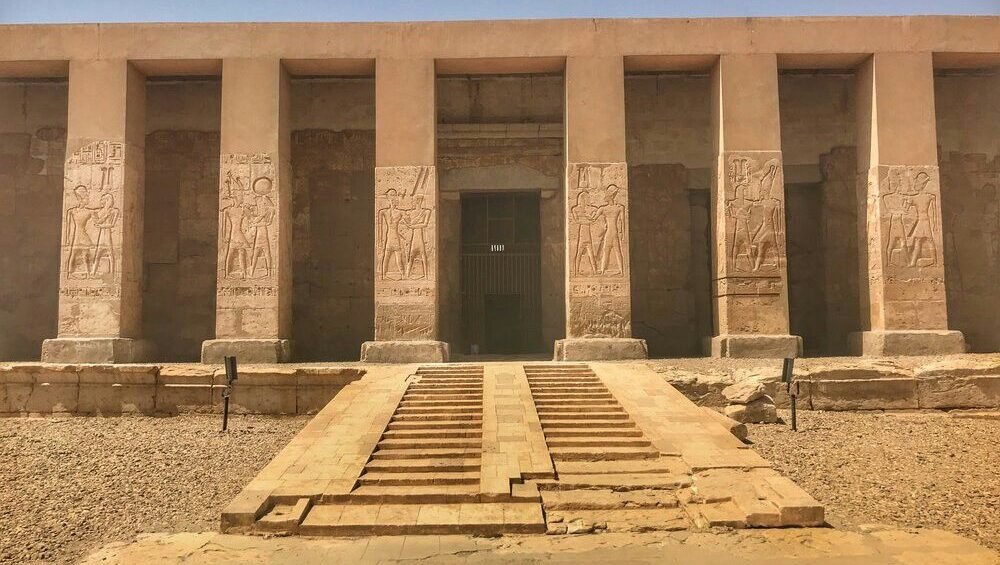
The Temple of Seti in Abydos: A Timeless Masterpiece of Ancient Egyptian Art and Faith
Nestled in the sacred city of Abydos, the Temple of Seti I stands as one of the most captivating testaments to Egypt’s architectural brilliance and spiritual legacy. This ancient temple, dedicated to Osiris — god of the afterlife — as well as the deified pharaoh himself, offers a fascinating glimpse into the religious devotion and artistry of the New Kingdom. Constructed during the reign of Pharaoh Seti I of the 19th Dynasty, around 1290–1279 BCE, this monumental sanctuary radiates divine order and cosmic symbolism. Its exquisite bas-reliefs, mystical alignment, and symbolic layout make it one of Egypt’s most breathtaking sites for travelers and historians alike.
The Temple of Seti, also known as the Great Temple of Abydos, wasn’t just built for ritual worship; it served as a sacred connection between the mortal world and the spiritual realm. Every line of hieroglyphic inscription carved into its limestone walls speaks volumes about the pharaoh’s reverence for the gods and his pursuit of eternal life. The site’s artwork has often been hailed as some of the best-crafted in all of ancient Egypt — unrivaled in detail, precision, and preservation. Visitors who explore this enigmatic sanctuary are often left awe-struck by the harmony between its architectural design and spiritual purpose.
Modern travelers can easily include the Temple of Seti in one of the luxurious Luxury Egypt Tours or extraordinary Best Nile River Cruises that journey between Luxor and Aswan. It’s the kind of experience where you’re not merely seeing history — you’re breathing it.
Historical Significance of the Temple of Seti I in Abydos
The Temple of Seti isn’t just an archaeological wonder; it’s a cultural cornerstone in understanding ancient Egypt’s theology and kingship. Seti I was the second king of the 19th Dynasty, following his father Ramses I. His reign marked a restoration of artistic finesse after the turmoil of the Amarna Period, when Egypt’s religious traditions had been disrupted. Through the temple’s complex design, Seti sought not only to appease the gods but also to legitimize his divine right to rule.
Abydos, known as the burial place of Osiris, had deep religious importance. By constructing his temple here, Seti tied his legacy directly to the mythological lord of resurrection. This symbolic act fortified the bond between royal authority and divine power. The presence of the Abydos Temple sequence of kings — carved on the temple walls — reveals the chronological list of pharaohs preceding Seti, famously known as the Abydos King List. This list remains an invaluable historical document, offering historians a rare continuous record of ancient Egyptian rulers.
Religious Purpose and Divine Dedications
The temple’s seven sanctuaries are dedicated to major deities — including Osiris, Isis, Horus, Ptah, Re-Horakhty, and Amun — along with Seti himself. Each sanctuary symbolized a portal into eternity where rituals renewed both the pharaoh’s soul and Egypt’s cosmic order. The processional route that ran through the temple mirrored the journey of the sun across the sky, reaffirming creation’s perpetual cycle.
The temple also connects with the nearby Osireion — an underground structure symbolizing the Underworld. Many Egyptologists believe this was designed as a cenotaph, linking Seti’s reign to the mythos of Osiris’s resurrection. The intricate carvings of Osirian scenes highlight Egypt’s enduring fascination with rebirth and eternal life.
Artistic Excellence: The Distinctive Reliefs of the Temple of Seti
One striking feature that sets the Temple of Seti apart from others like the Luxor Temple or the Edfu Temple is the perfection of its reliefs. The meticulous carvings inside the temple capture scenes of kingship, religious ceremonies, and mythical stories with astounding precision. The bas-reliefs are deeply incised and exquisitely detailed, often considered the finest examples of New Kingdom craftsmanship.
The paintings that originally adorned many chambers once glowed with vibrant pigments. Even now, traces of reds, blues, and golds testify to the temple’s former radiance. The artistry was so refined that later pharaohs — including Ramses II — continued to emulate the same aesthetic standards when building other monumental structures, such as the Abu Simbel Temples.
The Abydos King List: A Historical Treasure
Among the temple’s greatest historical assets is the Abydos King List — a sequence of seventy-six cartouches depicting the lineage of Egyptian kings from Menes (likely Narmer) to Seti’s father, Ramses I. This magnificent documentation not only honors Egypt’s dynastic past but also reflects Seti’s devotion to continuity and divine legitimacy.
The inscriptions on the walls of Abydos provide historians with critical data on Egypt’s ruling chronology, correcting and clarifying gaps found in other records. Without the Abydos King List, modern Egyptology would lack one of its clearest dynastic blueprints.
Architectural Layout of the Temple of Seti
The architectural genius of the Temple of Seti lies in its L-shaped design, a distinctive alteration from traditional temple blueprints. The temple was constructed with limestone and sandstone, featuring two great hypostyle halls supported by intricately carved papyrus columns. Beyond these halls lie the sanctuaries and offering chapels, leading deeper into chambers that amplify spiritual intimacy.
Each corridor and chamber carries symbolic meaning; the deeper one walks into the temple, the closer one moves toward the divine. This progression from light to shadow, from broad halls to confined sanctums, encapsulates the journey from mortal to immortal — an idea mirrored in temples such as the Temple of Hatshepsut in Deir el-Bahari.
The Osireion: Gateway to the Afterlife
Located directly behind the main temple complex, the Osireion adds a layer of mystical allure. Constructed below ground level, this ancient structure was once believed to house the tomb of Osiris. It is built with enormous granite blocks reminiscent of Old Kingdom craftsmanship, making it distinct from the temple’s tone. The water-filled chambers and central sarcophagus platform represent the symbolic tomb of Osiris, reinforcing Abydos’s status as the epicenter of resurrection mythology.
Rediscovery and Preservation Efforts
Modern archaeologists have studied the Temple of Seti since the 19th century, launching preservation projects to safeguard its fragile artwork and architectural integrity. Organizations and the Egyptian Supreme Council of Antiquities have taken significant steps to protect the delicate bas-reliefs from humidity and erosion caused by modern encroachment. Efforts continue to restore parts of the temple that were damaged during antiquity, ensuring future generations can marvel at its splendor.
Many tourists exploring Luxor Day Tours or Aswan Day Tours extend their travels northward to visit Abydos, often pairing it with Dandara Temple for a complete Upper Egyptian temple experience. Combining both delivers an unforgettable journey through Egypt’s sacred geography.
Symbolism and Spiritual Mysteries
The temple’s symbolic blueprints were more than architectural designs; they were metaphysical diagrams mirroring the process of creation. As one walked through its halls, each relief illustrated Egypt’s divine pantheon performing cosmic functions. The Temple of Seti encapsulates the triadic relationship between life, death, and rebirth — a principle that echoed across Egyptian dogma.
The depictions of Osiris highlight the promise of life beyond death, a central tenet of Egyptian faith. When viewed together, the temple’s artwork becomes a living text — a “Book of Resurrection” carved in stone. This profound spiritual resonance explains why ancient pilgrims traveled from distant regions to experience the blessings embedded in its walls.
Modern Tourism and Cultural Importance
Today, visiting the Temple of Seti is a transformative experience for travelers interested in Egypt’s spiritual and historical depth. The temple, surrounded by desert serenity, invites exploration at a slower pace. Tourists often combine their trip with a 4-Day 3-Night Nile Cruise from Aswan to Luxor or a 6 Days Egypt Tour, both of which incorporate key Upper Egyptian wonders.
The site’s isolation enhances its charm — far from the bustling crowds at Luxor or Cairo, Abydos provides a more intimate encounter with Egypt’s sacred heart. The Temple of Seti is not merely a ruin; it is a still-breathing testament to Egypt’s undying devotion to eternity.
FAQs About the Temple Of Seti in Abydos
Where is the Temple of Seti located?
The Temple of Seti I is located in Abydos, roughly 11 kilometers west of the Nile in Upper Egypt, near modern-day Sohag. It sits within one of Egypt’s most ancient and sacred necropolises, dedicated to Osiris, the god of the dead and ruler of the underworld.
When was the Temple of Seti built?
The temple was constructed during the reign of Pharaoh Seti I, who ruled between 1290–1279 BCE, and later completed by his son Ramses II. Its construction represents a revival of traditional art and architecture after the religious reformation of Akhenaten’s reign.
What makes the Temple of Seti unique?
The temple is renowned for its perfectly carved reliefs, the Abydos King List, and its deep spiritual significance. Its architectural design is L-shaped, distinct from most Egyptian temples, and includes seven sanctuaries dedicated to different deities. The Osireion behind the structure further enhances its mystical symbolism.
How can visitors reach the Temple of Seti?
Visitors can reach the site via guided tours from Luxor or through private excursions within an Egypt Vacation Package. Many Nile cruise itineraries, such as the 7 Days Cairo and Nile Cruise Package, include the Temple of Seti as a highlight for travelers intrigued by ancient history and heritage.
What deities are honored in the Temple of Seti?
The temple features chapels for seven deities: Osiris, Isis, Horus, Ptah, Re-Horakhty, Amun-Ra, and Seti I himself. Each sanctuary was used for offerings, rituals, and renewal of divine energy — bridging the human and celestial realms through sacred rites.
For those who seek deeper immersion in ancient civilization, visiting Abydos and the Temple of Seti offers a journey that transcends time. It’s not just archaeology — it’s spiritual storytelling etched in stone, waiting patiently beneath Egypt’s sun to reveal eternity’s secrets.


