
Dahabiya Nile Cruise

Discovering the Wonders of Egypt on a Dahabiya Nile Cruise

Imagine embarking on a journey where the mystical allure of ancient Egypt unfolds before your very eyes, all from the elegant deck of a Dahabiya Nile cruise. These traditional sailing boats, steeped in history, offer a unique and intimate way to explore the timeless wonders of the Nile. Dahabiya boat tours in Egypt promise an unforgettable adventure, blending luxury, culture, and unparalleled scenic beauty. Let’s set sail on this exciting odyssey, discovering the magic of Egypt in a way that only a Dahabiya can provide.

1. Embarking on Your Dahabiya: The Start of an Egyptian Odyssey

Your journey begins the moment you step aboard a Dahabiya. These majestic vessels, reminiscent of a bygone era of travel, invite you to experience Egypt in an exclusive and intimate setting. As the sails catch the breeze, your Dahabiya Nile cruise commences, gliding gracefully along the life-giving waters of the Nile. The anticipation builds as you set off, not just on a journey through Egypt’s landscape, but through time itself, where each bend of the river reveals a new chapter of history.

2. Navigating the Nile: The Enchanting Routes of Dahabiya Cruises

Sailing on a Dahabiya offers a unique perspective of the Nile, vastly different from larger cruise ships. These smaller, more maneuverable vessels can access secluded spots along the river, offering a closer look at hidden gems. From the lush green banks to the distant desert dunes, the Nile’s changing landscapes are a constant companion. The routes are carefully designed to showcase the most enchanting sights, each turn bringing you face-to-face with new wonders and ancient mysteries.

3. Cultural Immersion: The Rich Heritage Encountered on a Dahabiya Tour

A Dahabiya Nile cruise is more than just a trip; it’s a cultural immersion. As you journey down the river, you encounter vibrant local life and age-old traditions. Visits to remote villages and interactions with local communities provide a genuine insight into the Egyptian way of life. The river is a historical tapestry, and each stop weaves into your understanding of Egypt’s rich heritage, from the grandeur of pharaonic temples to everyday life along the Nile.
Dahabiya Nile Cruise

4. Bespoke Comfort: The Elegance of Dahabiya Accommodations

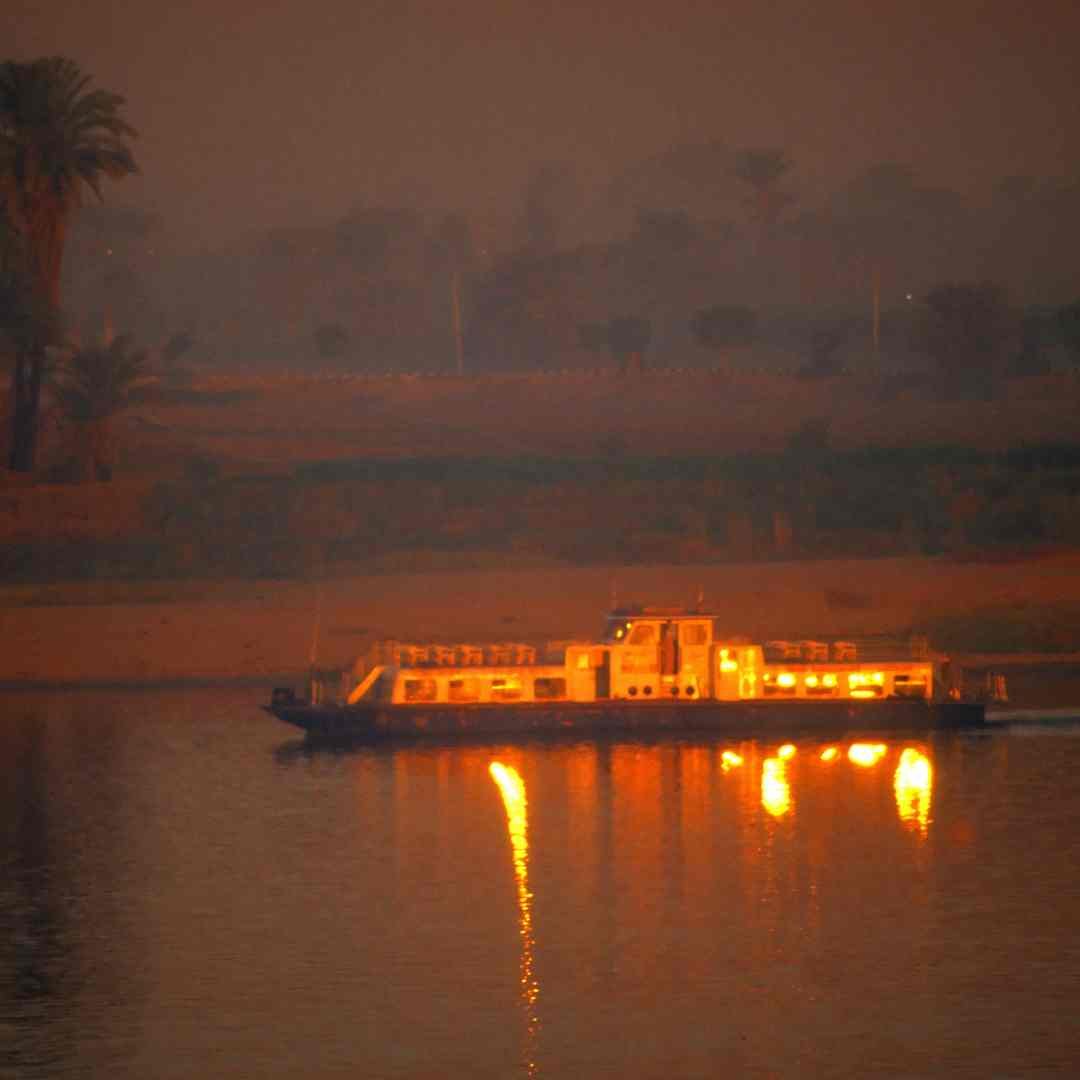
Dahabiyas are renowned for their bespoke elegance and comfort. These boats are often luxuriously appointed, with attention to detail that ensures a comfortable and stylish journey. The cabins are designed to provide a personal oasis of calm, combining traditional charm with modern amenities. Picture yourself waking up to the gentle lapping of the Nile against the boat, the sun rising over ancient lands – this is the serene start to each day on a Dahabiya.

5. Adventures Ashore: Exploring Egypt’s Ancient Landmarks

Each stop on your Dahabiya Nile cruise is an opportunity to explore Egypt’s ancient landmarks. From the majestic temples of Luxor and Karnak to the awe-inspiring Valley of the Kings, these excursions offer a deep dive into Egypt’s historical treasures. Guided tours bring these sites to life, illuminating the stories and legends of pharaohs and gods. The intimate nature of a Dahabiya allows for more personalized and in-depth explorations, making every ashore adventure truly special.

6. The Dahabiya Sailing Experience: Merging Tradition with Modern Luxury

The experience of sailing on a Dahabiya is a perfect blend of tradition and modern luxury. These boats, inspired by those used by nobles in ancient times, retain their historical charm while providing contemporary comforts. The joy of sailing with the wind, the tranquility of the river, and the luxury of the accommodations create a unique travel experience that stays true to Egypt’s heritage while ensuring your journey is comfortable and enjoyable.

7. Onboard Entertainment: Celebrating Egyptian Culture

Onboard a Dahabiya, the entertainment is as rich and varied as the scenery. Evenings are often filled with cultural activities – from traditional music and dance performances to insightful talks about Egypt’s history and mythology. These experiences offer a deeper connection to the land you’re sailing through, creating evenings as memorable as the days.

8. Creating Lifetime Memories: Why a Dahabiya Nile Cruise is Unforgettable

A Dahabiya Nile cruise is an experience that stays with you long after the journey ends. It’s not just about the places you visit, but how you travel through them. The luxury, the intimacy, the cultural immersion, and the breathtaking landscapes combine to create memories that are as timeless as the river itself. It’s an experience that encapsulates the heart and soul of Egypt, leaving you with stories and memories that are truly unforgettable.

Sailing on a Dahabiya Nile cruise is an invitation to step into a world where luxury meets adventure, culture blends with history, and each moment is
Cairo Luxor Tour Packages

A Comprehensive Guide to Cairo Luxor Tours

Embark on a journey through time and history with the Cairo Luxor Tour, an adventure that promises to unveil the mysteries of ancient Egypt. This comprehensive guide is your key to exploring the wonders of Cairo and Luxor, offering a blend of awe-inspiring historical sites, cultural experiences, and scenic beauty. Whether you’re cruising down the Nile or wandering through the bustling streets, this guide will ensure your Egyptian escapade is nothing short of spectacular.

Setting the Itinerary: Top Attractions in Cairo and Luxor

Cairo and Luxor are cities rich with history and culture, each boasting an array of must-see attractions. In Cairo, the Great Pyramids of Giza and the Sphinx stand as timeless testaments to ancient ingenuity, while the Egyptian Museum holds treasures untold, including the golden mask of Tutankhamun. Luxor, often referred to as the world’s greatest open-air museum, is home to the Valley of the Kings, where the tombs of pharaohs await, and the magnificent Karnak Temple. Exploring these cities offers a captivating glimpse into Egypt’s glorious past, making each site a cornerstone of your Cairo Luxor Tour.

A River of History: Experiencing the Cairo Luxor Nile Cruise

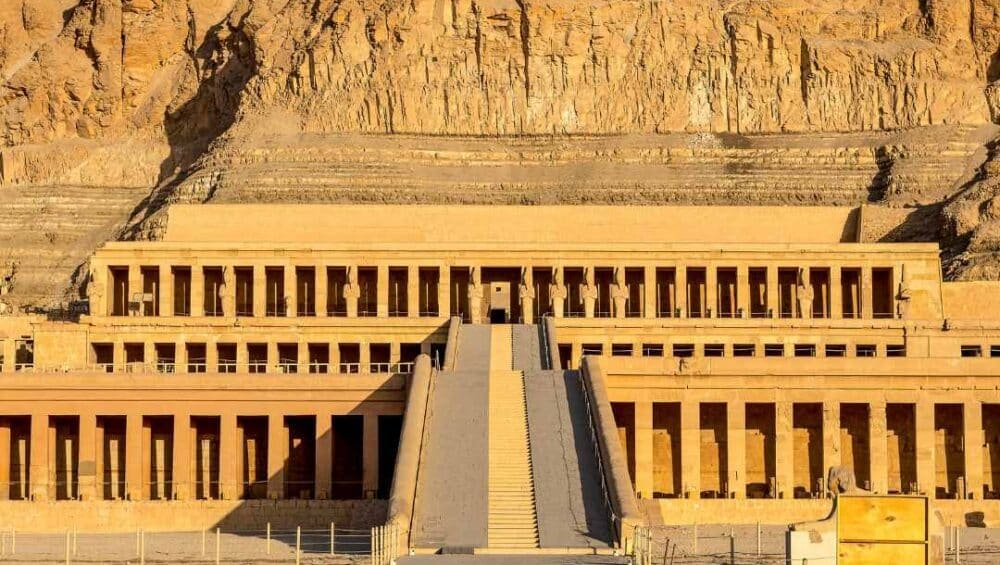
The Cairo Luxor Nile Cruise is a journey like no other, offering a unique perspective on Egypt’s ancient wonders. Glide along the life-giving Nile, observing the ever-changing landscape and daily life on its banks. Stop at key historical sites, including the Temple of Luxor and the Temple of Hatshepsut, experiencing firsthand the grandeur of Egypt’s architectural prowess. This cruise not only provides a relaxing way to travel but also immerses you in the history and culture that make this region so fascinating.

Customizing Your Experience: Diverse Cairo Luxor Tour Packages

To cater to every traveler’s needs, various Cairo Luxor Tour Packages are available, offering a range of experiences from luxury to budget-friendly options. Whether you’re seeking a comprehensive tour that covers all major attractions, a specialized tour focusing on specific historical periods, or a more relaxed itinerary with ample time for exploration, there’s a package perfect for you. Customizable options ensure that your trip is tailored to your interests, making your Egyptian adventure truly your own.


The Cultural Tapestry of Egypt: Insights from Cairo to Luxor

Traveling from Cairo to Luxor, you’ll witness the rich tapestry of Egyptian culture. In Cairo, experience the modern vibrancy of the city, with its bustling markets and contemporary art scenes. As you move to Luxor, the focus shifts to ancient history and the preservation of Egypt’s incredible heritage. Engaging with locals, sampling traditional cuisine, and understanding the customs and traditions of Egypt are integral parts of the Cairo Luxor Tour, enriching your experience and offering deeper insights into this fascinating country.

Travel Tips for the Ultimate Cairo Luxor Tour Adventure

To make the most of your Cairo Luxor Tour, here are some essential travel tips: pack light and dress modestly, respecting local customs; stay hydrated and protect yourself from the sun; be prepared for some bargaining in markets; learn a few basic Arabic phrases; and most importantly, keep an open mind and be ready for unexpected adventures. Remember to respect the historical sites and local culture, ensuring a responsible and memorable journey.

The Cairo Luxor Tour is an unforgettable experience that offers a deep dive into the heart of Egypt’s history and culture. From the awe-inspiring pyramids of Cairo to the majestic temples of Luxor, this journey is a treasure trove of discoveries. With this guide, you’re well-equipped to embark on an exciting adventure, ready to uncover the mysteries and magic of Egypt. So pack your bags and get ready for the trip of a lifetime!


Ancient Egyptian Language

The Ancient Egyptian Language: A Journey Through Time

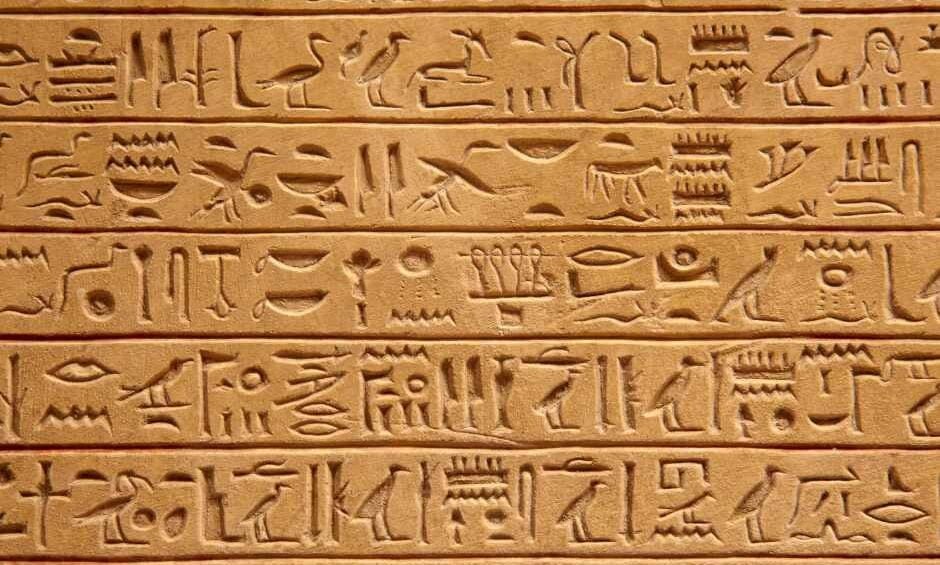
The Ancient Egyptian Language is a remarkable and enduring linguistic heritage, with roots stretching back to around 3400 BC. As a member of the Afro-Asiatic language family, it shares connections with languages like Berber, Arabic, Amharic, and Hebrew.

Evolution of the Ancient Egyptian Language:

  1. Archaic Egyptian:

    • Used in the early dynastic periods.
    • Features some of the earliest Egyptian hieroglyphs, found on artifacts like Nakada II pottery.
  2. Old Egyptian:

    • Utilized for the Pyramid Texts, the world’s oldest known religious writings.
    • Became the official language in the Old Kingdom and First Intermediate Period.
    • Characterized by its use of ideographic, phonetic, and plural determinants.
  3. Middle Egyptian (Classical Egyptian):

    • Used for a diverse range of texts, including religious, medical, poetic, and scientific writings.
    • Saw the development of regional accents.
    • Scripted in both hieroglyphic and hieratic forms.
  4. Late Egyptian:

    • Flourished during the New Kingdom, a peak in Egyptian culture.
    • Showcased significant linguistic evolution from earlier stages.
    • Marked by the expansion of the hieroglyphic script.
  5. Demotic:

    • Originated in the late Ptolemaic dynasty and lasted for nearly a millennium.
    • Evolved from the Hieratic script, particularly prevalent in the northern Delta region.
  6. Coptic:

    • The final stage and direct descendant of Ancient Egyptians.
    • Influenced by the Greek alphabet.
    • Served as Egypt’s official language from 200 AD to 1100 AD.
    • Survived into the 17th century and contributed to the Renaissance.
    • Currently used as a liturgical language in the Coptic Orthodox Church.

Legacy and Significance:

The Ancient Egyptian Language not only reflects the ancient Egyptians’ innovation and creativity but also continues to captivate scholars and enthusiasts worldwide. Its rich history and progression through different forms and scripts underscore the dynamic nature of language and its integral role in shaping cultures and civilizations.

book Hot Air Balloon with Love Egypt tour

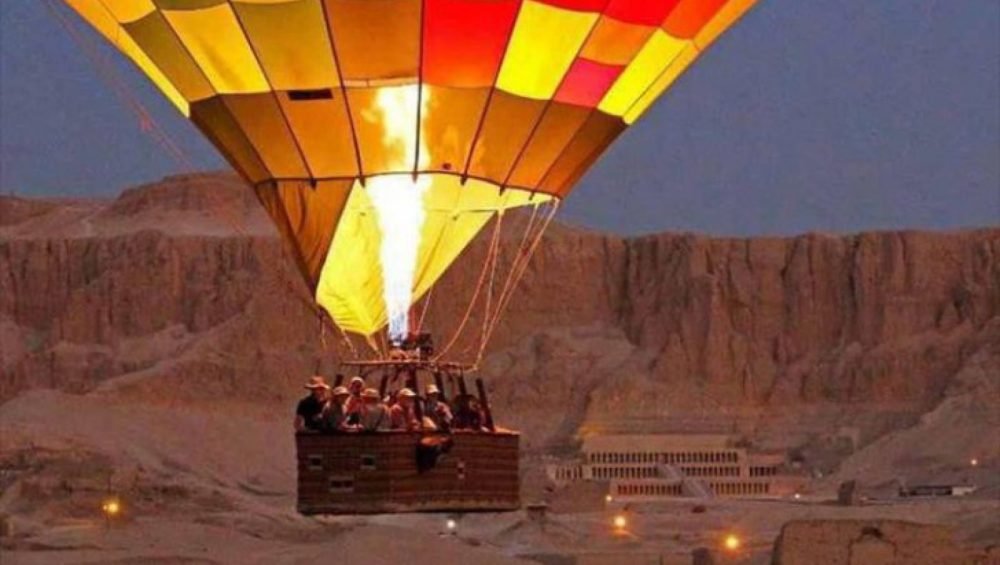
Taking to the skies in a hot air balloon over Luxor, Egypt presents a unique and unforgettable adventure. Luxor, with its ancient allure of temples and tombs set against a stunning backdrop, offers an ethereal setting for a balloon ride.

Why Choose Cindrella Travel for Your Balloon Ride:

  • Cindrella Travel is a reputable company known for its exceptional hot air balloon experiences.
  • They boast a team of skilled, certified pilots and utilize advanced equipment for safety and comfort.
  • The company offers a seamless booking process, whether online or by phone.

Types of Flights Offered:

  • Deluxe Flight: A private, intimate experience for up to two passengers, lasting about 60 minutes. Includes champagne breakfast and a certificate of completion.
  • Standard Flight: A shared experience accommodating up to 16 passengers, with a 45-minute duration. Includes a light breakfast and a certificate of completion.

Your Flight Experience:

  • Hotel pickup in Luxor and transport to the launch site.
  • Safety briefing from the pilot before take-off.
  • A serene ascent, offering panoramic views of Luxor’s landmarks.
  • The chance to witness the Nile River, temples, tombs, and natural landscapes from a new perspective.
  • A gentle landing followed by a return trip to your hotel.

Booking Tips:

  • Booking is recommended due to the popularity of balloon rides in Luxor.
  • Choose a reputable and safe operator like Cindrella Travel.
  • Prepare for early morning departures.
  • Dress comfortably and consider bringing a jacket for cooler temperatures.
  • Don’t forget your camera to capture breathtaking views.

Why Cindrella Travel Stands Out:

  • Skilled and certified pilots ensure a safe and enjoyable experience.
  • Use of modern, top-notch equipment.
  • A range of flight options to suit different preferences and budgets.
  • Renowned for excellent customer service, enhancing the overall experience.

Booking a hot air balloon ride with Cindrella Travel promises a magical way to experience Luxor’s enchanting beauty, combining professional service with a touch of adventure and elegance.

The Great Pyramids of Giza:

Giza city in Egypt

Giza, a dynamic city on the Nile River’s west bank, is a highlight of the Giza Governorate and a key part of the sprawling Greater Cairo metropolitan area. Blending ancient marvels with modern vibrancy, Giza offers a unique experience for its visitors.

Giza’s Historical Journey:

  • Giza’s roots can be traced back to its humble beginnings as a village in ancient Egypt.
  • Its prominence rose after the Muslim conquest, overshadowing the nearby ancient city of Memphis.
  • The Islamic era saw Giza adorned with grand mosques, none of which survive today.
  • The 19th century marked significant growth for Giza, especially with the Suez Canal’s opening in 1869, leading to notable developments like Pyramid Avenue.
  • In the 20th century, Giza evolved further with the establishment of Cairo University in 1908, enhancing its status as a cultural and educational center.

Giza in the Modern Era:

  • Present-day Giza is a bustling metropolis with over 3 million inhabitants.
  • Its economy spans manufacturing, tourism, and education.
  • The city is well-connected, boasting an international airport, highways, and railways.

Giza’s Attractions:

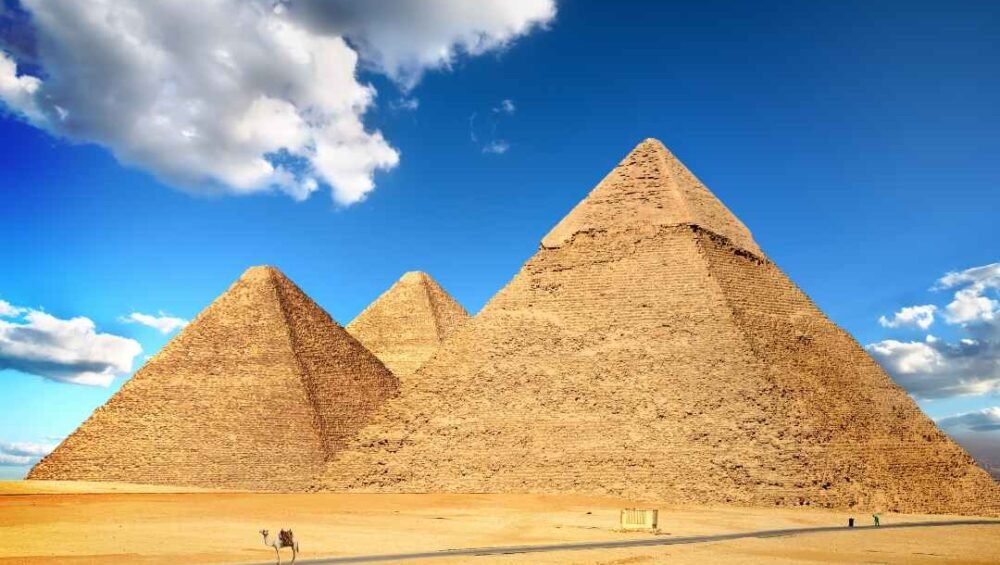
  • The Great Pyramids of Giza, ancient architectural marvels, are a major draw.
  • The Sphinx, an iconic limestone statue, adds to Giza’s allure.
  • The Egyptian Museum in Cairo, close to Giza, houses a vast collection of ancient Egyptian artifacts.
  • Cairo University, situated in Giza, is an educational landmark.

Giza’s Modern Life:

  • The city’s contemporary scene includes shopping malls, restaurants, cafes, and a vibrant nightlife.

Exploring Giza’s Suburbs:

  • El Dokki: A wealthy area with embassies and businesses.
  • Zamalek: An island neighborhood known for its nightlife and cultural venues.
  • Mohandessin: Home to universities and businesses.
  • Maadi: Famous for its greenery and upscale eateries.

Accessibility and Transportation:

  • Giza is well-connected nationally and internationally, with easy access via its airport and major transport links.
  • Travel from Cairo to Giza is convenient, with various options like taxis, buses, and metro, taking around 30 minutes.

Travel Tips for Giza:

  • The best times to visit are during spring or fall for favorable weather.
  • Summers in Giza can be very hot; staying hydrated and using sunscreen is advisable.
  • Visiting the pyramids and Sphinx early morning or late afternoon can help avoid crowds.

Giza’s compelling mix of ancient history and modern culture makes it an unmissable destination for travelers of all kinds.

Egyptian pyramids

The Great Pyramid of Giza, a part of the Egyptian pyramids, is one of history’s most impressive man-made structures. Built when Egypt was a dominant world power, its grandeur reflects the esteemed status of kings and pharaohs in ancient Egyptian society.

The pyramids, primarily constructed from the beginning of the Old Kingdom to the end of the Ptolemaic dynasty around 2325 BC, represent a peak in pyramid construction between the late 3rd and 4th Dynasties.

The Role of the Pharaoh in Egyptian Society:

  • During the Old Kingdom’s 3rd and 4th Dynasties, Egypt saw significant economic prosperity and stability.
  • Kings were seen as divinely appointed mediators between the gods and people.
  • The falcon god Horus, formerly a guardian of Ra, often succeeded the pharaoh.

The Evolution of the Pyramids:

  • Early royal tombs, preceding the pyramids, were rock-cut structures covered by “mastabas.”
  • The first Egyptian pyramid, King Djoser’s Step Pyramid at Saqqara, evolved from a traditional mastaba.
  • Imhotep, a revered architect, designed this pyramid, which transformed the approach to royal burials.

The Great Pyramids of Giza:

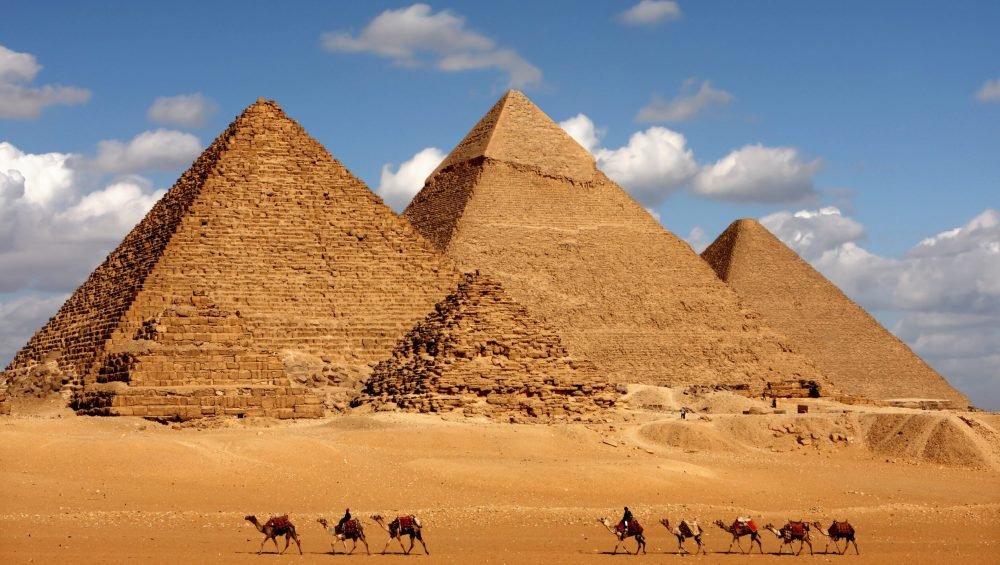
  • The most famous pyramid, the Great Pyramid of Giza, stands near Cairo on the West Nile plateau.
  • Built for Pharaoh Khufu (Cheops), it was part of a complex that also included smaller pyramids for his queens and a series of mastabas for royal relatives and officials.
  • The pyramid complex of Khafre, Khufu’s son, includes the iconic Great Sphinx.
  • The smallest of the Giza pyramids, built for Menkaure, Khafre’s son, marked a transition to smaller pyramids in subsequent dynasties.

Construction of the Pyramids:

  • Contrary to popular belief, evidence suggests that the pyramids were built by seasonal workers, likely Egyptian farmers, not slaves or foreigners.
  • The construction of Khufu’s pyramid involved the use of over 2.3 million stone blocks.
  • Herodotus, an ancient Greek historian, recorded that it took 20 years and 100,000 laborers to build the pyramid, though modern estimates suggest a smaller workforce.

A Journey from Cairo to Luxor:

  • Travelers can experience an overnight trip from Cairo to Luxor, arriving at sunset or night.
  • In Luxor, one can enjoy a hot air balloon flight with Balloon Over Luxor company in the early morning.
  • The tour in Luxor includes visits to the Valley of the Kings, the Temple of Hatshepsut, the Colossi of Memnon, and the Karnak and Luxor temples, followed by a return flight to Cairo.

Who is King Ramses II?

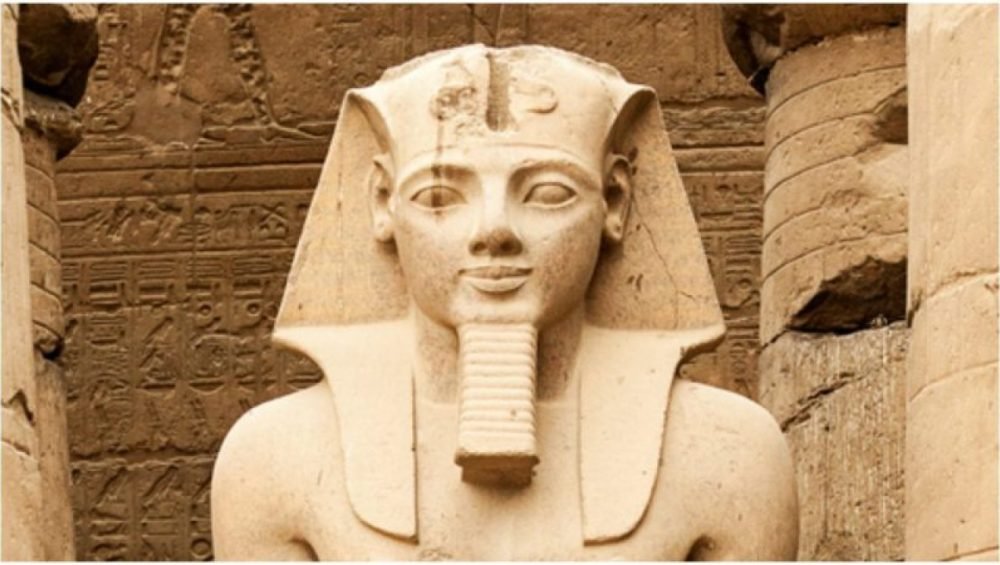
Ramesses II, renowned as one of Egypt’s most celebrated rulers, reigned during the nation’s golden era as the third pharaoh of the 19th Dynasty. Crowned by King Seti I as Prince Ramses, he later ascended the throne as Ramesses II. Before becoming king, he gained substantial military and royal experience, serving alongside his father in military campaigns.

Who Was Ramesses II?

As a prominent and respected pharaoh during Egypt’s golden age, Ramesses II led numerous expeditions and was dedicated to fulfilling his ambitions. His reputation as the “sovereign of rulers” mirrored his vision for a strong nation, earning him the title “Ramesses the Great.” Under his 66-year rule, Egypt reached its pinnacle of power and glory.

Ramesses II’s Family and Early Life

Ramesses II’s large number of wives and children also contributed to his fame. Estimates suggest he might have fathered around 162 children, including well-known offspring such as Ramses, Merneptah, Meritamen, Nebettawy, Khaemweset, and Amun-her-khepeshef, Nefertari’s firstborn.

Born around 1303 BC to Pharaoh Sethi I and Queen Tuya, Ramesses II was named after his grandfather, Ramses I, a military hero who elevated their commoner family to royalty. He received education and training in the royal court, gaining prominence at an early age. After his older brother, the initial heir to the throne, passed away when Ramesses was around 14, he was designated as his father’s successor and became second in command of the military. Upon becoming pharaoh, he married Nefertari, his first and most beloved wife, who achieved significant status as the royal consort. The couple had several children during their marriage.

In 1279 BC, at the age of 25, Ramesses ascended as Egypt’s pharaoh. He excelled in leading the Egyptian army, and engaging in battles to defend the nation’s borders against various enemies.

Military Achievements of Ramesses II

In 1281 BC, Ramesses captured the Sherden Pirates, posing a threat to Egypt’s maritime activities. Demonstrating strategic brilliance and bravery, he thwarted the pirates in a decisive naval battle. In his fourth year as pharaoh, Ramesses led a campaign to reclaim the lost northern territories, battling a large Hittite force in one of history’s earliest documented battles.

Ramesses II’s Architectural Contributions

An avid builder, Ramesses II left a significant mark on Egypt’s architectural landscape. His notable constructions include the massive temples of Abu Simbel and the Ramesseum, showcasing innovative design and grandeur. Both temples feature colossal statues of Ramesses himself.

The Abu Simbel Temple, located in southern Egypt, is renowned for its four giant statues of Ramesses at the entrance. The Ramesseum, his mortuary temple, is situated along the Nile.

Additionally, Ramesses established the new capital, Pi-Ramses, which flourished under his reign, featuring grand temples, a palace complex, and impressive infrastructure.

Ramesses II’s Death and Legacy

Ramesses II lived an exceptionally long life for his era, passing away at age 90. He left behind a legacy of monumental structures, including the Ramesseum and the Abu Simbel temples. His contributions to the Luxor and Karnak temple complexes and his colossal statue in Memphis further cemented his legacy.

Initially buried in the Valley of the Kings, his mummy was later rediscovered in 1881 and eventually placed in the Egyptian Museum in Cairo. A statue of Ramesses, known as the Young Memnon, resides in the British Museum, symbolizing his historical significance as a warrior and benevolent ruler.

King Tutankhamun Tomb

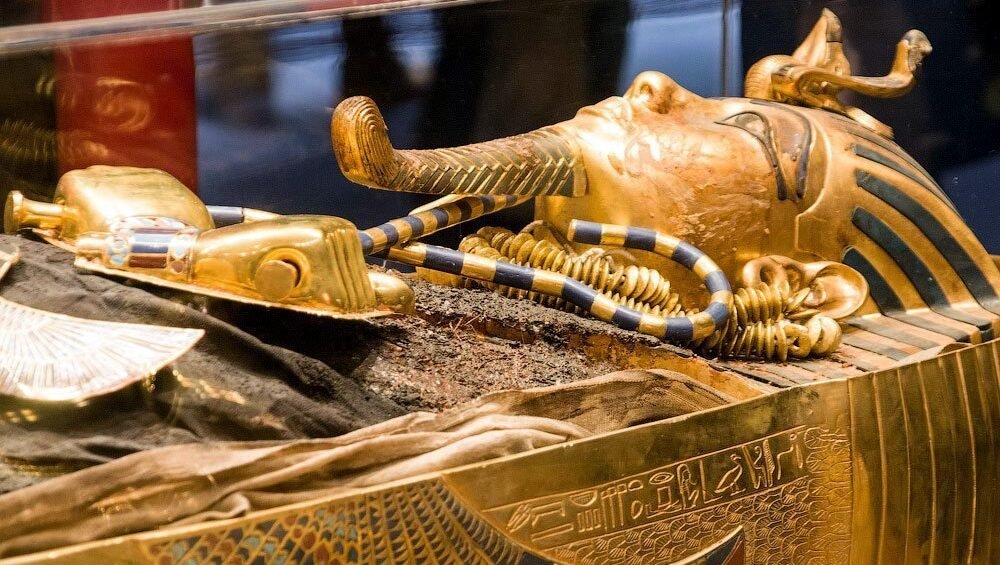
King Tutankhamun’s tomb, discovered in the Valley of the Kings in 1922 by Howard Carter, stands out as the only relatively untouched royal tomb in the area, making it one of the most significant archaeological finds in history. The global fascination was fueled by the wealth of golden artifacts and other luxurious items found within, symbolizing Egypt’s rich heritage.

Tomb number 62, belonging to Tutankhamun, is notably modest in size and decoration compared to other royal tombs. This likely reflects Tutankhamun’s short reign of about nine years, having ascended the throne at a young age. The tomb’s relative simplicity sparks curiosity about the potential contents of larger tombs, including that of Ramesses II.

The tomb’s main decorative elements are its wall paintings. Unlike other tombs which are lavishly adorned with texts like the Amduat and the Book of Gates to aid the deceased king’s journey to the afterlife, Tutankhamun’s tomb features only one scene from the Amduat. The rest of the decorations depict Tutankhamun in the company of various gods.

The small size of Tomb KV62 has led to much speculation. Tutankhamun’s successor, the high official Ai (buried in Tomb KV23), and Ai’s successor, Haremheb (Tomb KV57), might have originally intended the tomb for themselves. It’s possible that Tomb KV62 was already in existence, perhaps as a private burial or a storeroom, before being repurposed and expanded for the king.

The tomb’s limited space was packed with approximately 5,000 objects, reflecting Tutankhamun’s royal life. These items, including clothing, jewelry, cosmetics, furniture, toys, vessels, chariots, and weapons, were part of his daily life.

In an ironic twist of history, Tutankhamun, a relatively minor king who was overshadowed due to his association with the unpopular King Akhenaten, has eclipsed many of Egypt’s more renowned pharaohs in fame.

Abu Haggag Mosque in Luxor

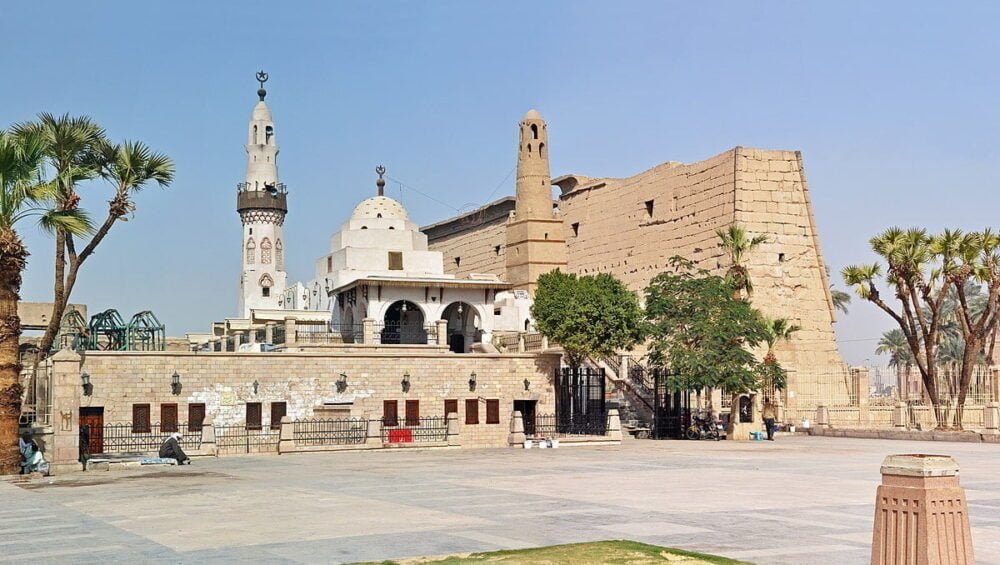
Most Egypt travel packages feature a visit to the Abu Haggag Mosque, an essential part of the Luxor Temple complex on the east bank of Luxor. Although the ruins of Luxor Temple are not extensive, they are significant enough to make it one of Luxor’s top attractions. Visitors to the Luxor Temple invariably encounter the Mosque, which is open to non-Muslim guests, allowing them to explore freely.

The presence of the 13th-century Abu Haggag Mosque, still an active place of worship, enriches the experience of visiting Luxor Temple.

Surrounded by the ancient temple’s remnants, this medieval mosque is a sight to behold. If you admire it in daylight, consider returning at night to witness it illuminated during the temple’s spectacular sound and light show.

History of the Abu Haggag Mosque

Luxor Temple, originally a worship center, was partly ruined before the construction of the Abu Haggag Mosque. Before the mosque, several churches were built around the temple, with one still present today. The site’s history as a multi-religious worship center for over 3,500 years is one of its most remarkable aspects.

Local legends attribute the mosque’s construction to Youssef Abu Haggag, a figure who played a pivotal role in spreading Islam in the region and caring for pilgrims, earning him the nickname ‘Father of Pilgrims’ (Abu Haggag). Despite popular belief, it’s unlikely that Youssef himself built the temple.

The Legend of Abu Haggag

Yousef believed to be born in Damascus in 1150, moved to Mecca in his forties and eventually settled in Luxor, Egypt, where he lived until 1245.

According to local folklore, Yousef Abu Haggag built his mosque within Luxor Temple’s first courtyard and resisted officials’ attempts to demolish it. Despite his efforts, officials planned to tear it down. Miraculously, one official became paralyzed on the morning of the planned demolition, leading to a belief that his condition was a divine response to the dispute over the mosque’s demolition.

The officials then reversed their decision, allowing the mosque to remain. Since then, Abu Haggag and his mosque have held a special place in the hearts of Luxor’s residents.

Moorid and Abu Haggag in Egypt

Moorids in Egypt celebrate saints’ birthdays, both Muslim and Christian. While not all are widely observed, they remain popular traditions. Some, like Moulid El Nabi commemorating the Prophet’s birth, are nationwide celebrations. Others, such as Abu Haggag’s Moorid in Luxor, are local, occurring annually in early November.

The colorful and lively Moulid of Abu Haggag is an event that joyfully merges religion and entertainment. It’s eagerly anticipated each year, with many locals saving up just to participate in the festivities and the procession. The best time to visit the Abu Haggag Mosque is during these celebrations, offering a unique opportunity to experience authentic Egyptian customs and traditions. These events, though open to guests, are not tailored for tourists, offering a genuine glimpse into local life.

Abu Simbel temples in Aswan

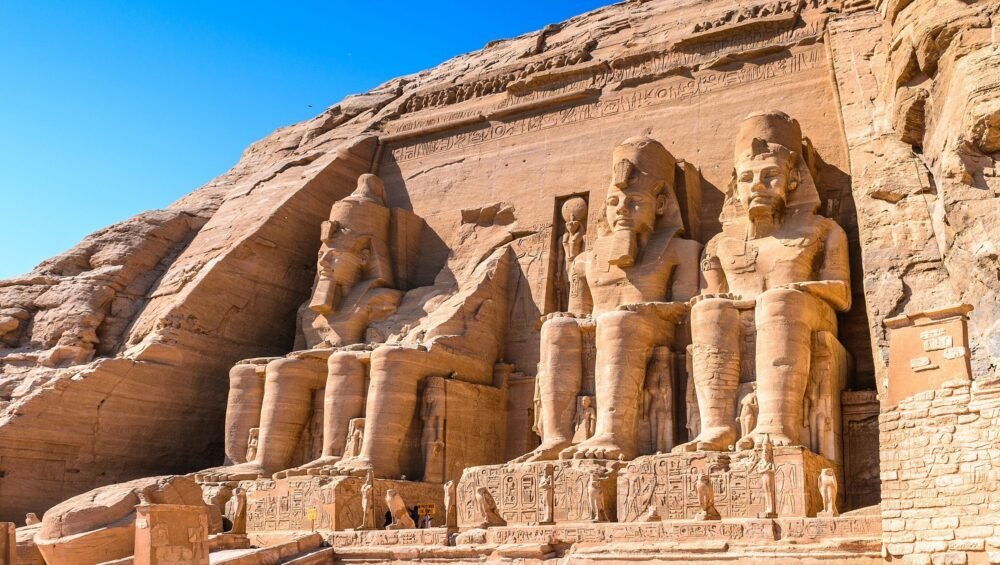
The massive rock-cut Abu Simbel temples, situated along Lake Nasser’s shores south of Aswan, rank among Egypt’s most famous landmarks. Pharaoh Ramesses II constructed these impressive structures to delineate the Egyptian Empire’s southern border with Nubia during the height of the New Kingdom.

The temples aimed to showcase the Egyptian pharaohs’ power to all beholders. They feature some of the era’s most remarkable carvings, with the entrance to the larger temple guarded by four immense statues.

Rediscovery of Abu Simbel’s Temples

Swiss explorer Johann Ludwig Burckhardt rediscovered the Abu Simbel temples in 1813 after they had remained isolated from civilization. Desert sands largely obscured the giant statues at the temple entrance until their complete uncovering in 1909, leading to the temples’ rise in fame as a symbol of southern Egypt.

Relocating the Abu Simbel Temples

The rising Nile floods due to the Aswan High Dam construction endangered the Abu Simbel temples. In response, workers disassembled and relocated the temples to a desert plateau 180 meters west and 64 meters above their original position in 1968. This meticulous operation involved breaking the temple into pieces weighing between 3 and 20 tons and reassembling it precisely in its new location. The project took over five years to complete.

Exploring the Abu Simbel Temple

There are two temples at the site. The Great Temple, Ramesses II’s temple, and the Lesser Temple were dedicated to his wife, Queen Nefertari.

Great Temple

It took about 20 years to build the Great Temple, dedicated to Amun, Rahorakti, Ptah, and Ramesses II himself. It is one of Ramesses II’s grandest temples in Egypt. Four 20-meter tall statues of a seated Ramesses II guard its entrance. The temple façade features hieroglyphs celebrating Ramesses II’s victory at the Battle of Kadesh.

The extensive temple houses several halls honoring Ramesses and his family. Its innermost chamber, the Holy of Holies, remains dark all year except for two specific days, demonstrating advanced knowledge in astronomy, mathematics, architecture, and science.

Lesser Temple

The Lesser Temple, dedicated to the goddess Hathor and Queen Nefertari, is smaller than the Great Temple. It features two large groups of figures separated by a central doorway on its rock façade.

Sun Alignment in the Great Temple

Twice a year, on February 22 and October 22, sunlight illuminates the statues of Ramesses and the gods inside the Great Temple. These dates, marking Ramesses II’s coronation and birthday, align the temple so that the sun shines on three of the four sanctuary statues, leaving the fourth, representing Ptah, in the shadows. This alignment has continued for over 3,200 years.

Visiting Abu Simbel

Most visitors reach Abu Simbel via a short flight from Aswan, though the temples are also a key stop for Lake Nasser cruises. These cruises offer unique views of the temple in early morning light and under moonlit skies.