Who is King Ramses II?
Ramesses II, renowned as one of Egypt’s most celebrated rulers, reigned during the nation’s golden era as the third pharaoh of the 19th Dynasty. Crowned by King Seti I as Prince Ramses, he later ascended the throne as Ramesses II. Before becoming king, he gained substantial military and royal experience, serving alongside his father in military campaigns.
Who Was Ramesses II?
As a prominent and respected pharaoh during Egypt’s golden age, Ramesses II led numerous expeditions and was dedicated to fulfilling his ambitions. His reputation as the “sovereign of rulers” mirrored his vision for a strong nation, earning him the title “Ramesses the Great.” Under his 66-year rule, Egypt reached its pinnacle of power and glory.
Ramesses II’s Family and Early Life
Ramesses II’s large number of wives and children also contributed to his fame. Estimates suggest he might have fathered around 162 children, including well-known offspring such as Ramses, Merneptah, Meritamen, Nebettawy, Khaemweset, and Amun-her-khepeshef, Nefertari’s firstborn.
Born around 1303 BC to Pharaoh Sethi I and Queen Tuya, Ramesses II was named after his grandfather, Ramses I, a military hero who elevated their commoner family to royalty. He received education and training in the royal court, gaining prominence at an early age. After his older brother, the initial heir to the throne, passed away when Ramesses was around 14, he was designated as his father’s successor and became second in command of the military. Upon becoming pharaoh, he married Nefertari, his first and most beloved wife, who achieved significant status as the royal consort. The couple had several children during their marriage.
In 1279 BC, at the age of 25, Ramesses ascended as Egypt’s pharaoh. He excelled in leading the Egyptian army, and engaging in battles to defend the nation’s borders against various enemies.
Military Achievements of Ramesses II
In 1281 BC, Ramesses captured the Sherden Pirates, posing a threat to Egypt’s maritime activities. Demonstrating strategic brilliance and bravery, he thwarted the pirates in a decisive naval battle. In his fourth year as pharaoh, Ramesses led a campaign to reclaim the lost northern territories, battling a large Hittite force in one of history’s earliest documented battles.
Ramesses II’s Architectural Contributions
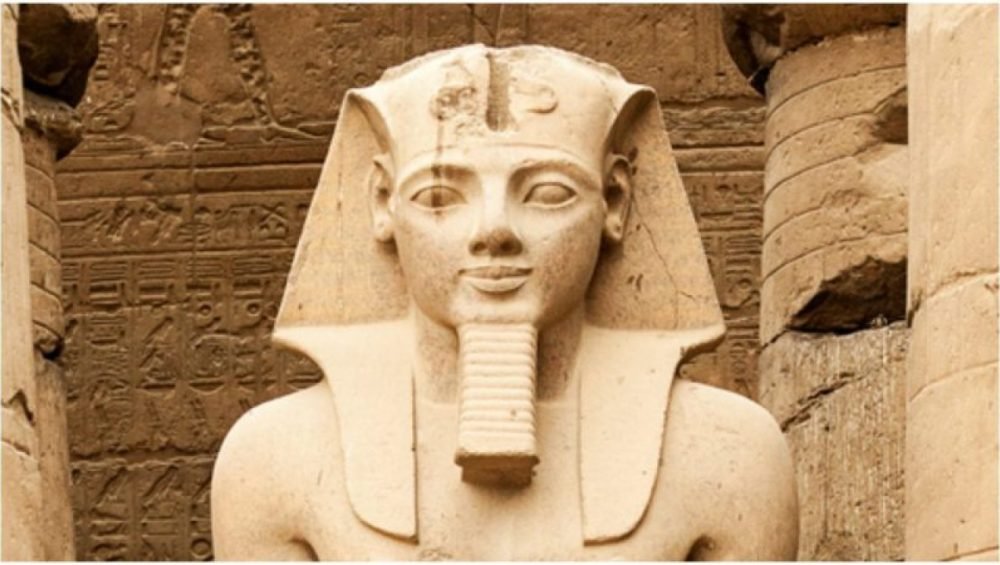
An avid builder, Ramesses II left a significant mark on Egypt’s architectural landscape. His notable constructions include the massive temples of Abu Simbel and the Ramesseum, showcasing innovative design and grandeur. Both temples feature colossal statues of Ramesses himself.
The Abu Simbel Temple, located in southern Egypt, is renowned for its four giant statues of Ramesses at the entrance. The Ramesseum, his mortuary temple, is situated along the Nile.
Additionally, Ramesses established the new capital, Pi-Ramses, which flourished under his reign, featuring grand temples, a palace complex, and impressive infrastructure.
Ramesses II’s Death and Legacy
Ramesses II lived an exceptionally long life for his era, passing away at age 90. He left behind a legacy of monumental structures, including the Ramesseum and the Abu Simbel temples. His contributions to the Luxor and Karnak temple complexes and his colossal statue in Memphis further cemented his legacy.
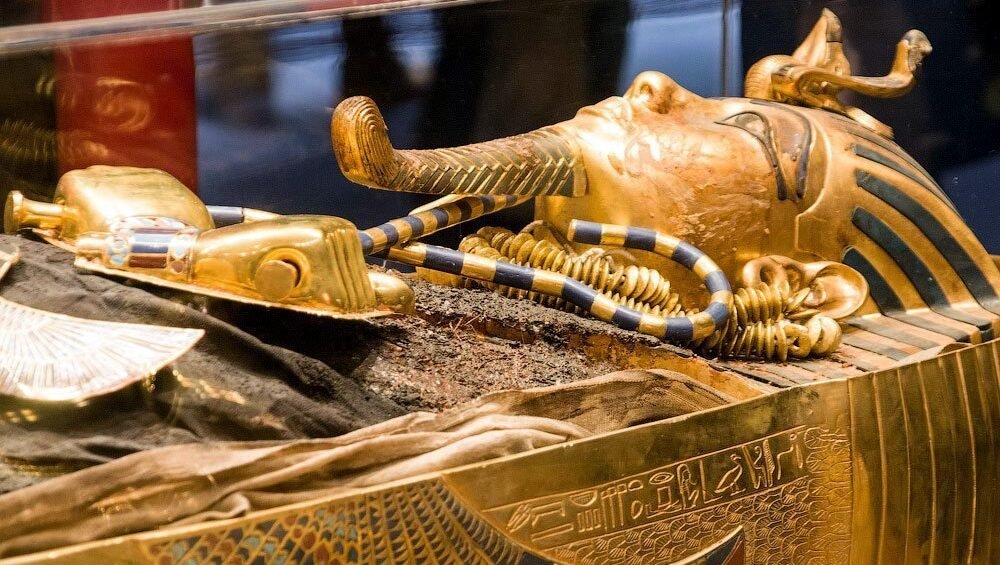
Initially buried in the Valley of the Kings, his mummy was later rediscovered in 1881 and eventually placed in the Egyptian Museum in Cairo. A statue of Ramesses, known as the Young Memnon, resides in the British Museum, symbolizing his historical significance as a warrior and benevolent ruler.